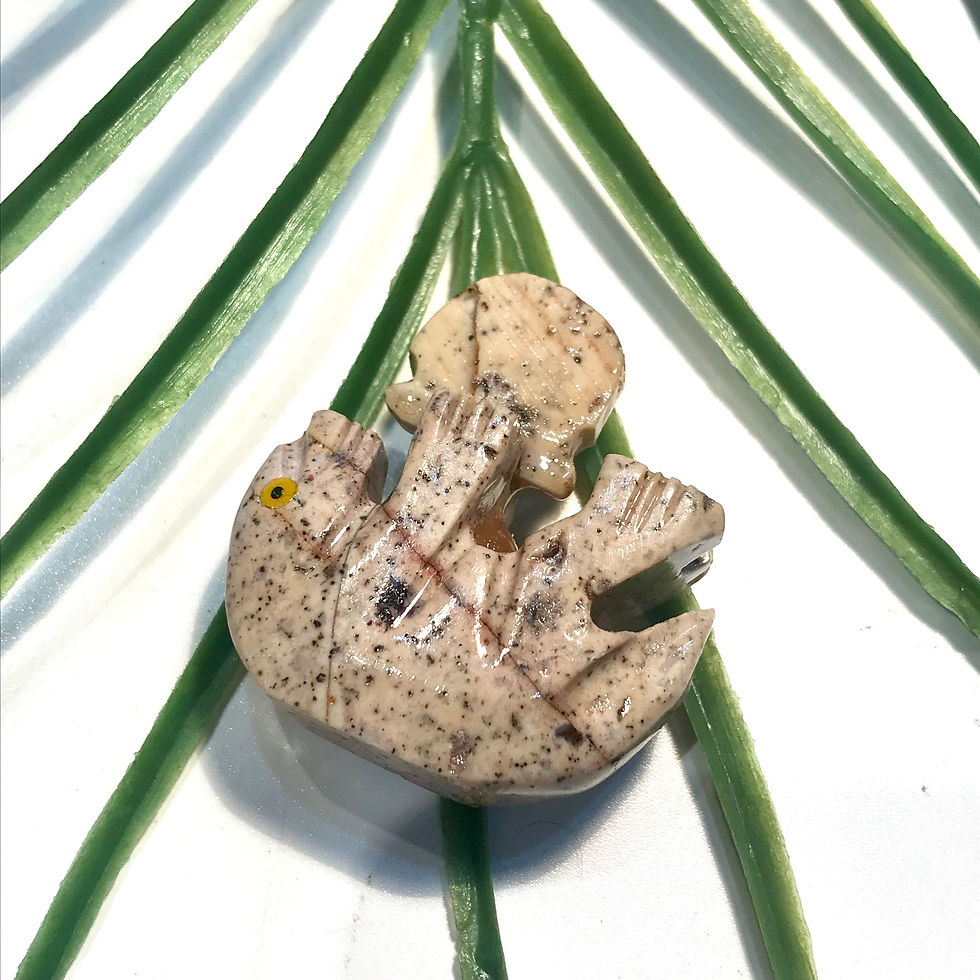


Sage Brush Sage
$10.00
Sagebrush has a lingering, fresh scent that is great for protection & cleansing.
One of the most common misconceptions about the Sagebrush in Prisons
program is about which species of plant we are growing. People might say:
“Oh, you’re growing sage? I love sage, especially on potatoes or in
marinara.” Then you have to explain that “No, we aren’t growing sage the
spice, but sagebrush the high desert shrub.” Sagebrush and sage aren’t
even related, but their common names confuse people into thinking that
they are. Culinary sage, or Salvia officinalis, is an herb native to the
Mediterranean region, and is used as a spice and for its medicinal
properties. Sage is a member of the mint family (Lamiaceae, to botanists).
But sagebrush, Artemisia tridentata, is in another family altogether, the
sunflower family (Asteraceae). But of course, sagebrush flowers look
nothing like sunflowers, and in fact, they are wind pollinated instead of
insect pollinated. The Artemisia genus is named after Artemis, the Greek
goddess of hunting, wild animals, and the wilderness. The species name
Tridentata refers to the leaves, which have three "teeth" at the end.
Culinary sage leaves are oblong, toothless, have a pebbly texture, and
taste much better than sagebrush.
Quantity